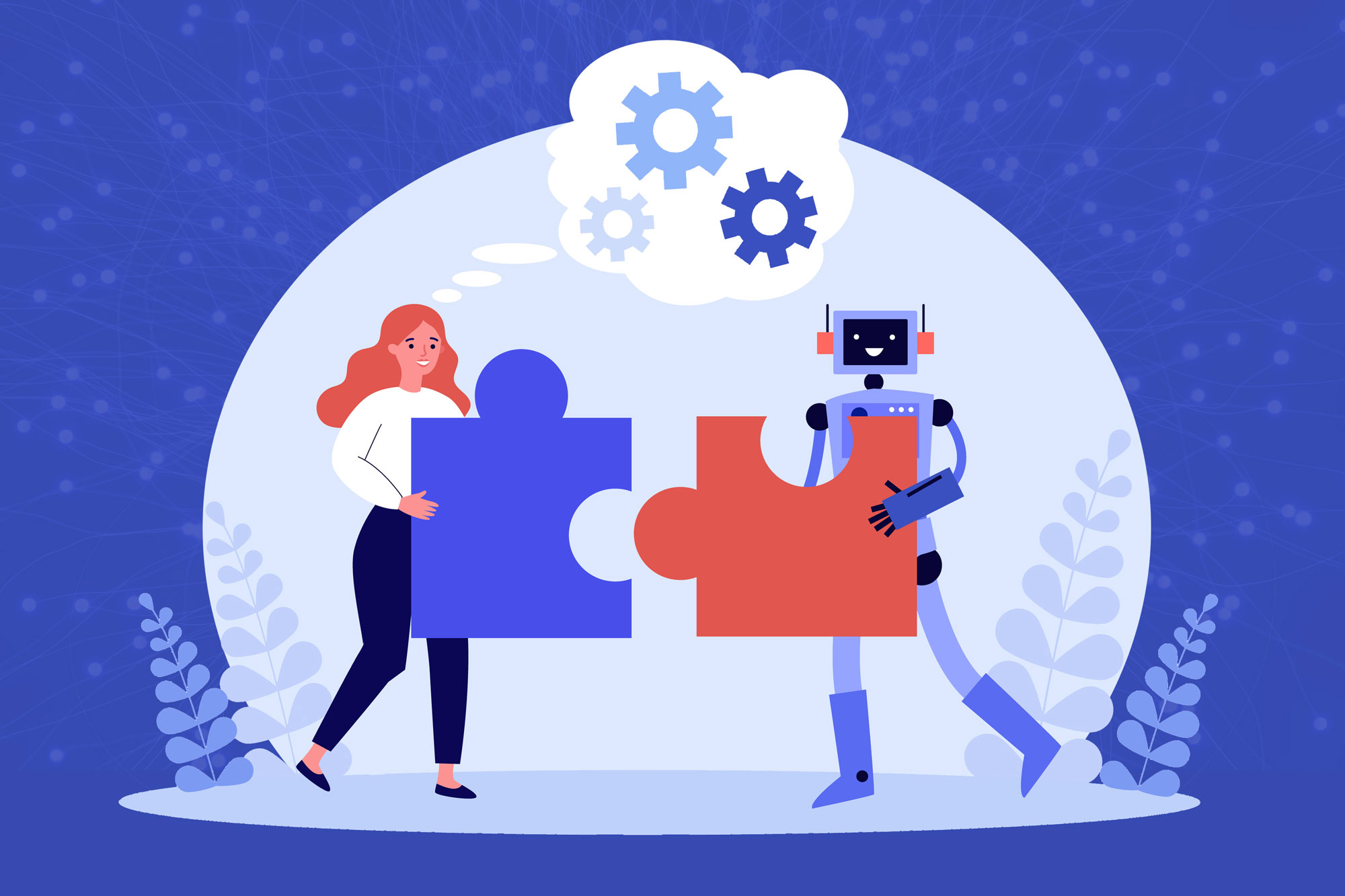
In an age where technology is advancing at an unprecedented rate, the convergence of human and robotic interactions has emerged as a critical field of study. Human-Robot Interaction programs provide an indispensable foundation for those looking to engage with the swiftly evolving landscape of robotics. These courses delve into the principles and practices that dictate how humans and robots can communicate and collaborate effectively, highlighting the significance of this collaboration in modern technology.
As we embrace more automated systems in our daily lives, understanding how to design and implement interactive robots is increasingly important. Starting with enhancing customer service with intelligent chatbots to creating robotic companions that assist the aged, the uses are nearly limitless. This article will explore what a Human-Robot Interaction course entails, the skills you can anticipate to gain, and how these programs prepare you for a world where technology enhances our human experience.
Overview of Human-Robot Interaction Courses
Human-Robot Interaction (HRI) programs are designed to explore the interactions between individuals and machines, focusing on how these interactions can be improved for different uses. As technology becomes increasingly integrated into normal routines and the workplace, grasping this dynamic is crucial. HRI programs typically include a range of subjects, including robotic social behaviors, design focused on user experience, and the ethical challenges of robot deployment in society. By melding https://finn-sellers-2.blogbright.net/developing-understanding-the-human-robot-engagement-encounter with human elements, these courses aim to equip participants to design technologies that augment the human experience.
The competencies you develop in an HRI program are diverse and applicable to multiple disciplines such as technical fields, design, human behavior study, and machine intelligence. Learners are taught to evaluate user demands, create effective communication strategies between people and automated systems, and design user-friendly interfaces. Additionally, there is a significant focus on interdisciplinary collaboration, offering participants the possibility to work alongside fellow students from diverse fields. This blend of hard and soft skills sets HRI aside as a vital area of research in the modern technological landscape.
Moreover, HRI courses often include hands-on projects that provide hands-on training in developing autonomous systems that interact with people. This hands-on element is essential, as it permitted students to utilize academic concepts to actual scenarios, promoting innovation and innovative solutions. Whether offered digitally or physically, these courses shape the future of technology by equipping learners with the tools to design automated systems that function efficiently and understandingly alongside people.
Expertise and Advantages of Human-Robot Interaction Programs
Human-Robot Interaction programs equip students with crucial capabilities that connect technology with human understanding. Learners gain knowledge to design systems that enhance the interaction between people and automated systems, ensuring usability and accessibility. Key skills include grasping user experience design, developing robots for human interaction, and creating algorithms that enable robots to comprehend human responses. These capabilities are critical in a world increasingly populated by smart technology.
The advantages of taking a HRI course extend beyond technical skills. Learners gain insights into the ethical considerations surrounding automated systems, preparing them to address societal impacts and issues with confidence. This well-rounded understanding fosters sustainable innovation, motivating future experts to design technological solutions that benefits all individuals. Additionally, hands-on projects and real-world applications allow students to test their abilities in real-life settings, enhancing their learning experience.
Joining a Human-Robot Interaction program opens up numerous employment avenues in multiple fields such as health services, learning environments, and media. Graduates are ready for roles in creating supportive tech, designing engaging items, or building machines for client interaction. Furthermore, as industries continue to adopt automated technologies, the demand for skilled experts who understand both the technical side and UX of Human-Robot Interaction will only grow, making this an essential area of study.
Employment Opportunities and Emerging Trends
Finishing a HRI program opens various career paths across various sectors. Graduates often secure roles as interaction designers, robotics specialists, AI specialists, or user experience researchers. These roles are in high demand as companies more frequently incorporate automation into daily tasks, spanning health support to service automation. The skills learned in such programs make individuals crucial resources to companies looking to improve human-robot collaboration.
The future directions of HRI are constantly evolving, with advancements in artificial intelligence and ML driving advanced functionalities. As robotic systems become more sophisticated in dialogue and perception, experts trained in human-robot interaction will position themselves at the leading edge of developing smart interfaces that can seamlessly blend into human environments. These innovations will likely alter how we exist and perform, prompting new job opportunities and interdisciplinary projects.
Furthermore, ethical factors and human-centered design will play a significant role in the next of robotic collaboration. Programs focusing on these dimensions prepare learners to confront the community impacts of robotics and design systems that focus on security and user satisfaction. As enterprises aim to ethically incorporate automation in their functions, talented professionals will be essential in navigating these evolutions to ensure they are advantageous and just for the public.