

In today’s fast-changing technological landscape, the intersection of human capabilities and robotic systems is transforming how we live and function. The Human-Robot Interaction course arises as a critical field of study, focusing on the relationship between people and robots. As robots become progressively integrated into our daily lives, grasping how to effectively design and interact with these technologies is crucial. This course provides a thorough foundation for anyone interested in exploring how humans and robots can cooperate harmoniously.
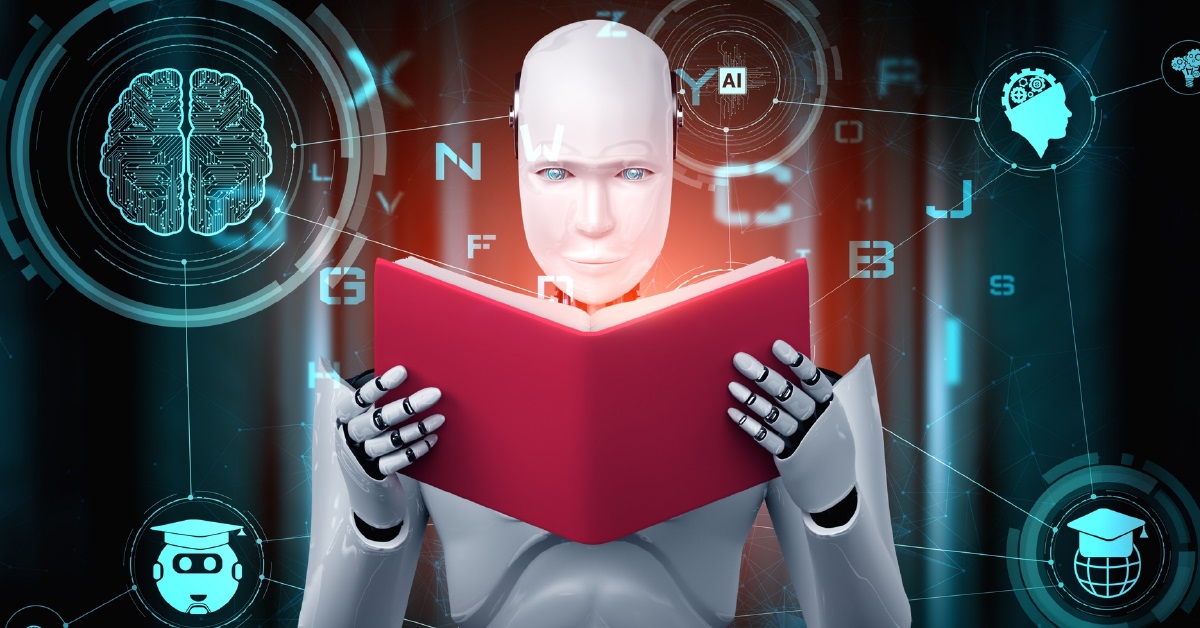
Participants in a Human-Robot Interaction course can look forward to gaining essential insights and skills that are necessary for navigating a future where human-robot collaboration is the standard. From fostering https://notes.bmcs.one/s/xr0En_ATwn in robotic design to realizing the ethical implications of autonomous systems, this course arms learners with the knowledge needed to flourish in a variety of professional settings. Whether you are a newcomer or looking to enhance your expertise, the curriculum offers a robust blend of theoretical knowledge and practical applications that set the stage for groundbreaking breakthroughs in technology.
Skills and Benefits of Human-Robot Interaction Courses
HRI courses offer a range of essential skills that are increasingly important in the modern digital world. Learners will gain knowledge to develop and build user-friendly robotic systems that effectively interact and collaborate with humans. Competencies such as software development, system unification, and user interface design are enhanced, enabling students to gain expertise in creating solutions that enhance the user experience and interaction. Grasping psychology and psychology is also stressed, allowing learners to design robots that better react to the needs of users and wants.
Besides technical skills, these programs provide substantial advantages that extend past the academic setting. Involving oneself in real-world projects encourages innovation and problem-solving, allowing participants to implement principles in practical scenarios. Networking opportunities with experts in the industry create pathways to cooperation and guidance, further improving the educational process. Participants also gain insight into the moral aspects surrounding HRI interactions, ensuring they can implement responsible practices in their work.
Ultimately, the knowledge gained in HRI programs readies individuals for a future in a fast-changing job environment. As sectors more and more integrate robots and artificial intelligence into their operations, the need for trained workers who can bridge the divide between humans and robots is increasing. Alumni can explore varied career paths, from designing assistive technologies for medicine to constructing advanced manufacturing systems, making this program a crucial foundation for emerging creators in the tech field.
Career Options and Possibilities in HRI
As the field of tech develops, the need for expert professionals in human-robot cooperation is quickly rising. Graduates of this program can discover various job opportunities, including positions in research and development, user experience design, and product management. Businesses across fields such as healthcare, production, and leisure are looking for specialists who can manage the challenges of developing user-friendly and efficient robotic systems that enhance efficiency and safety.
In alongside conventional careers, the human-robot cooperation program equips students for emerging possibilities in cross-disciplinary fields. HRI certification who finish course may find themselves partnering with AI, ML, and cognitive science specialists to design innovative applications. Areas like rehabilitation robotics and services automation are becoming popular, allowing workers to assist to designing robotic solutions that assist and work with humans in daily activities, making them critical in a myriad of sectors.
Furthermore, as automation becomes increasingly essential to our daily lives, entrepreneurship in the realm of human-robot interaction is growing. Program attendees not only attain knowledge but also study innovation and customer-focused design, preparing them to launch startups or participate to established firms in building advanced robot technology. This combination of technical expertise and innovative thinking cultivates a fertile ecosystem for discovering unique career opportunities and progressing in this dynamic domain.
Selecting the Right Human-Robot Course
When selecting a HRI program, it is essential to consider your individual objectives and preferences. Different programs may highlight different aspects of human-robot interaction, such as skills, design concepts, or ethical considerations. Think on what you wish to gain from the course, whether a fundamental comprehension, targeted skills for your profession, or knowledge into the current technologies in the industry.
Another vital factor is the teaching format. Some students thrive in a hands-on, collaborative environment offered by in-person courses, where they can interact directly with instructors and classmates. Others, may opt for the flexibility of virtual courses that enable them to study at their own pace. Assess your learning style and schedule to decide which format aligns best with your way of life and commitments.
Lastly, look into the organizations providing these courses. Look for programs with strong faculty backgrounds, strong industry connections, and favorable student feedback. Leading universities often provide opportunities to state-of-the-art research and innovative technologies, which can improve your educational experience. By thoughtfully evaluating these elements, you can discover a Human-Robot Interaction course that fulfills your requirements and prepares you for future opportunities in this evolving field.