
In the present day's quickly developing technological landscape, the idea of human-robot interaction has moved from the realm of fantasy into a tangible reality. With robots become increasingly integrated into our daily lives, from virtual helpers to autonomous vehicles, understanding how we can effectively connect with these machines is of paramount importance. A Human-Robot Interaction course provides a unique opportunity to explore the principles and methods that govern this engaging field, preparing students with crucial skills to maneuver through the complexities of our robot-infused future.
This course delves into diverse aspects of interaction design, robot technology, and artificial intelligence, shedding light on both the practical and ethical considerations of engaging with robots. Regardless of whether you are a newcomer enthusiastic to dive into this cutting-edge domain or an experienced professional seeking to enhance your knowledge, the Human-Robot Interaction course guarantees insightful understandings and hands-on experiences. As boundaries between humans and machines blur, the need for adept creators and thinkers who can span this divide becomes ever more urgent, underlining why such a course matters at this time more than any other time.
Grasping Human-Robot Interaction
Human-Robot Interaction, often referred to as HRI, explores the methods in which people and machines communicate and cooperate with each other. This discipline encompasses a variety of domains, including AI, psychology, and human factors engineering. As robotic technology advances, comprehending how to successfully design interactions between people and robots becomes increasingly essential. This involves not just the technical elements of automation, but also how robots can be programmed to interpret people's emotions, objectives, and signals.
At the heart of Human-Robot Interaction is the emphasis on boosting the functionality and capabilities of robots in ordinary situations. From social robots that can engage in dialogue to manufacturing robots that help in industrial tasks, the creation of these interactions is critical. The concepts of HRI are implemented in many areas, including medicine, education, and customer service, where automated systems can improve efficiency and offer assistance. This insight can lead to more user-friendly and successful systems that augment individual skills rather than substitute them.
The research of HRI is growing increasingly vital as we move towards a future where machines are integral to our daily activities. As automated systems turn into more ubiquitous in households, offices, and public spaces, knowing how to interact with them safely and effectively can considerably enhance society. Human-Robot Interaction courses equip participants not only to create and code machines but also to ensure that these technologies are designed with a prioritization on user engagement and community integration, ultimately influencing the coming environment of technology.
Skills and Career Pathways
A Human-Robot Interaction course equips students with a wide range of abilities essential for the dynamic landscape of technology and robotics. Students learn to design and evaluate robots that can efficiently interact with humans, focusing on interpersonal communication, UX design, and emotional intelligence in machines. Additionally, programming and algorithm development are key components, enabling participants to create reactive robots that can respond to user needs and environmental changes. Comprehending the principles of ML also plays a important role, preparing students to incorporate these technologies into their designs successfully.
Upon completing a HRI course, a spectrum of interesting career pathways becomes available. Graduates may find employment as user experience designers, where they will focus on creating accessible designs for robotic systems. Other potential roles include roboticists, investigators in HRI, and even ethics consultants, as the ethical implications of robotics become increasingly crucial. Industries such as healthcare, industrial, and entertainment are actively seeking professionals who can link between user demands and robotic capabilities.
Moreover, the cross-disciplinary nature of this field encourages cooperation across various domains. Those with skills in behavioral science, visual design, and engineering will find themselves well-prepared for roles that require original ideas and critical thinking. Learn Physical UX for professionals adept in HRI continues to grow, making this a exciting pathway for those interested in crafting the future of technology and its societal impacts.
### Selecting the Appropriate Course
Selecting the right Human-Robot Interaction course is essential for your personal and professional growth in this emerging field. Start by assessing your current level of understanding and experience in the field of robotics and associated disciplines. If you are a novice, look for beginner courses that cover basic concepts and slowly lead you into more complex applications. For those with previous experience, advanced courses can provide greater insights into specialized topics and the latest innovations involved in Human-Robot Interaction.
It is also crucial to think about the method of instruction that suits your preferred way of learning. Virtual classes offer convenience and convenience, allowing you to learn at your individual pace, while in-person classes can provide hands-on experiences and connections with peers and instructors. Research the course syllabus and ensure that it aligns with your professional aspirations and passions. Check for programs that incorporate real-world projects which allow you to interact with real-world scenarios and apply your knowledge.
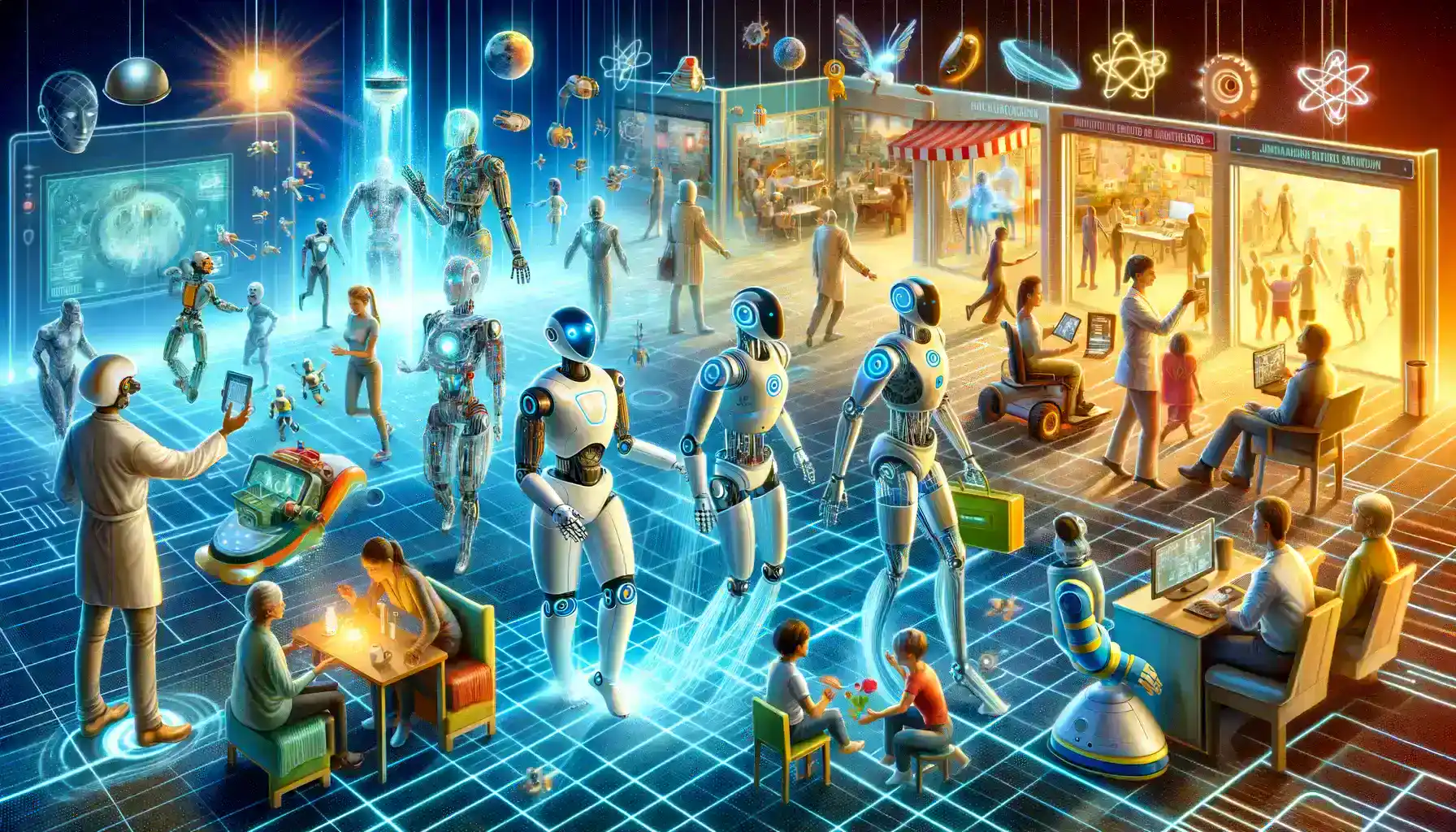
In conclusion, examine the credentials of the institutions offering these courses. Look for courses from well-respected universities or organizations with strong ties to the robotics industry. Reviews from former students can provide valuable insights into the course quality and results. Selecting the appropriate Human-Robot Interaction course will provide you with the necessary abilities and knowledge to excel in this thrilling and quickly changing field.