

As we enter an era where technology increasingly intertwines into our everyday lives, the significance of skills for interacting with robots is immense. The rapid development in robotics and artificial intelligence transforms different fields, rendering it vital for citizens to grasp how to properly engage with and develop such intelligent technologies. This Human-Robot Interaction course aims to provide learners the basic understanding and skills necessary to maneuver through this changing field, in the end prepping them for an upcoming era in which collaboration between individuals with robots is the norm.
In this article, we will explore what exactly entails in a Human-Robot Interaction course, the key skills you will learn, and how these courses can position you at the cutting edge of tech innovation. Regardless of whether you are starting out seeking to begin this thrilling adventure and a professional seeking enhance your expertise, gaining insight into the key topics and benefits of these courses can help you to make a positive move in mastering the practice of collaborating with robots.
Key Skills Learned in Human-Robot Interaction
An Human-Robot Interaction course trains students with crucial skills that are progressively relevant in our technology-driven world. One of the primary skills learned is efficient communication among humans and robots. This entails grasping how to design interfaces that allow for seamless interaction, enabling users to control and collaborate with robots effortlessly. Mastering these communication techniques is essential for ensuring that robotic systems can be interpreted and leveraged by their human counterparts.
In addition to communication, students also gain a strong foundation in programming and software development related to robotic systems. Proficiency in languages such as C++ is frequently emphasized, allowing learners to construct and adapt robotic behaviors. This technical capability is crucial for creating adaptive systems that can respond to human inputs in the moment . Understanding the principles of coding and algorithms helps foster innovation in creating new applications for human-robot collaboration.
Finally, students explore the social implications surrounding human-robot interactions, which is becoming ever more relevant as robots become widespread in society. This comprises discussions on data protection, bias in AI algorithms, and the societal impacts of automation. By analyzing these ethical concerns, students are better prepared to make informed decisions in their careers, making sure that advancements in robotics promote positive outcomes for society as a whole.
Getting Ready for the Upcoming Workforce
As the landscape of work keeps to develop, the adoption of robots and automation in different industries is growing prevalent. A Human-Robot Interaction program equips individuals with necessary skills to maneuver through this emerging terrain successfully. Knowing how to communicate and work together with robots is vital, as these systems are designed to aid and improve human capabilities, rather than replace them. The course not only teaches specialized skills but also highlights people skills important for effective interaction with automated systems.
Learners in a Human-Robot Interaction course will investigate topics such as the creation and capabilities of robots, human-centered design principles, and the mental aspects of interaction. Mastering these areas prepares individuals for a range of roles in sectors like health services, production, and support industries, where robots are becoming common. Moreover, the course cultivates critical thinking and problem-solving skills that are essential for anticipating issues posed by emerging technologies.
In also to specialized competencies, a Human-Robot Interaction program highlights the significance of ethics and social responsibility as technology advances. By examining the consequences of robotic integration, learners become advocates for responsible technology use, ensuring that human values remain at the heart of innovation. This comprehensive approach not only prepares students for upcoming job opportunities but also positions them as visionary leaders who can mold the future of work amid rapid technological change.
Choosing the Best Course
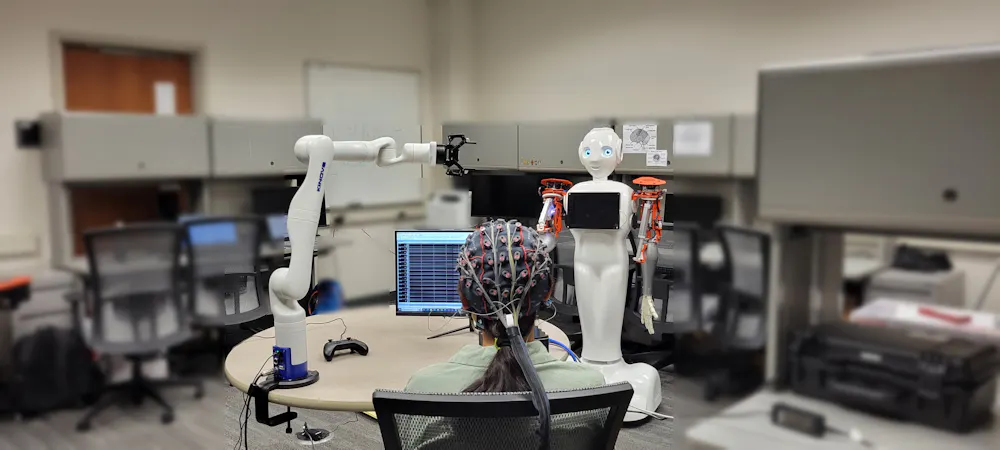
When selecting a Human-Robot Interfacing course, it is crucial to consider the course's materials and focus. Look for courses that touch on key topics such as UX design, robot tech, and collaborative systems. Evaluate the program details to make sure it fits with your preferences and career goals. Take https://www.hri.academy/ of any experiential learning opportunities included in the course content, as real-world skills is crucial in this domain, allowing you to utilize theoretical knowledge in actual situations.
A further key consideration is the format of the class. Decide if you would like the convenience of online learning or the interactive experience of traditional classes. E-learning programs offer convenience and the ability to learn at your own rhythm, while in-person sessions can provide direct communication with instructors and classmates, fostering teamwork. Additionally, verify the availability of support, such as lab facilities and guidance programs, which can enhance your learning experience.
Lastly, consider the prestige of the school offering the course. Investigate top universities known for their HRI programs, as well as any connections that may enhance your education and future employment opportunities. Checking reviews and stories from previous learners can provide information into the standard of the course. Making an informed decision will ultimately help you choose a course that best equips you for a career in this changing domain.