

In today’s rapidly evolving technological environment, the convergence of humans and machines interaction is an increasingly crucial field of study. With robotics continuing to advance, the requirement for efficient communication between people and machines presents both exciting prospects and unique challenges. HRI courses are designed to equip individuals with the capabilities and knowledge required to navigate this dynamic field, blending aspects of design, engineering, and psychology. Understanding how to create user-friendly and effective interactions will have a crucial part in defining the evolution of technology and its adoption into our everyday lives.
Signing up in a Human-Robot Interaction course not just cultivates a deep grasp of how people communicate with robots but additionally improves vital abilities that are valuable across a variety of industries. From developing moral considerations in AI to exploring advanced design principles, the curriculum prepares students for the many-faceted demands of modern innovation. Whether you are a beginner interested about the fundamentals or a experienced professional looking to deepen your expertise, this field offers great potential for your professional life and individual development. spintax #### Understanding Human-Robot Engagement
HRI represents an interdisciplinary field that concentrates on the interactions between humans and robots. With robotics technology keeps on advance, understanding the intricacies of how individuals communicate and collaborate with automata becomes increasingly important. This field studies both the technical aspects of machine design as well as considers human factors, including social, psychological, and behavioral elements, which affect how effectively humans can work with these machines.
Recently, the applications of HRI have grown across various sectors, including healthcare, education, and service sectors. Robots are now being developed to assist in operations, support learning in classrooms, and enhance customer service experiences. This change highlights the need for a more profound understanding of the dynamics of interaction, ensuring that robots are programmed to respond correctly to human emotions, gestures, and intentions, ultimately making collaborations easier and more productive.
As the world continues to welcome automata in routine life, a HRI course becomes vital for upcoming professionals. These courses provide participants with the groundwork required to navigate the intricacies of Human-Robot Interaction, preparing them with both technical knowledge and interpersonal skills necessary to innovate in this emerging field. Understanding people's behaviors and designing machines that can engage empathetically with users are key components that HRI education addresses, paving the way for more effective human-robot collaborations in the future.
Expertise and Career Opportunities
Taking a HRI course equips students with a variety of skills essential for the modern tech landscape. Students will learn about user interface design, programming languages, and the moral implications surrounding robots. These skills are not only crucial for designing effective human-robot interactions but also prepare graduates to manage interdisciplinary teams that blend technology with UX. Additionally, students cultivate critical thinking skills that are vital in both technological and social aspects of the industry.
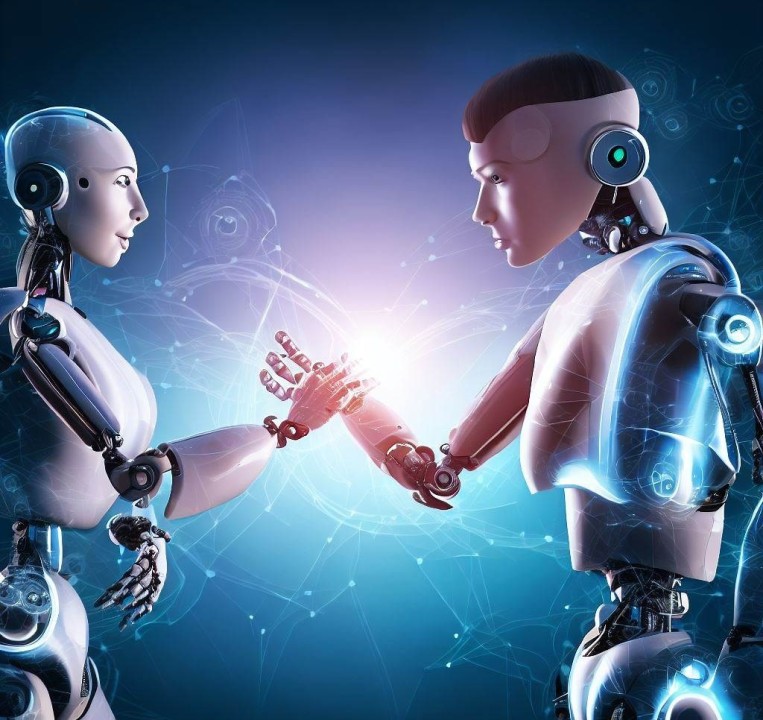
Career opportunities after finishing a HRI course are plentiful and varied. Graduates can find roles in industries such as healthcare, media, and manufacturing, where they can focus on designing robots that communicate more efficiently with people. Roles may include user experience designers, robotics developers, and project managers focused on implementing robotic systems. The growing integration of artificial intelligence into daily routines further expands opportunities in fields like smart home technology and autonomous vehicles.
As businesses increasingly seek innovative ways to incorporate robotic systems, the need for professionals with expertise in human-robot interaction continues to rise. This specialization not only improves employability but also offers the chance to shape the future of technology. By grasping the details of human behavior and robotic functions, graduates can contribute to advancements that improve societal interactions with smart devices, thereby creating a more connected and effective world.
Selecting the Appropriate Program
Choosing the right Human-Robot Interaction program might substantially influence your educational experience and subsequent career prospects. Start by recognizing your specific interests and goals in the domain. Whether you are focused on designing, coding, or societal impacts, various courses address various aspects of Human-Robot Interaction. Investigate the course content of each program to ensure it aligns with your goals and verify for any prerequisites that might be required.
Next, think about the method of delivery that suits you most. Online courses offer convenience, allowing you to learn at your own pace, which is perfect for those balancing other commitments. Conversely, face-to-face courses can provide important hands-on experience and networking opportunities. Seek out programs that emphasize practical projects, as these can enhance your understanding and skills in real-world applications of Human-Robot Interaction.
Finally, assess the trustworthiness and reputation of the institutions offering these programs. Top universities typically have more resources and better industry connections, which may result in better career prospects post-completion. Reading feedback from past students may provide insights into the quality of the course. Make sure to choose a course that not only fits your preferred learning method but also prepares you for the evolving landscape of technological advances in Human-Robot Interaction.